
Why Integrated Keg Washing and Drinks Delivery Makes Commercial and Environmental Sense for UK Breweries
For breweries supplying London and the South East, logistics can quietly become the limiting factor in growth.
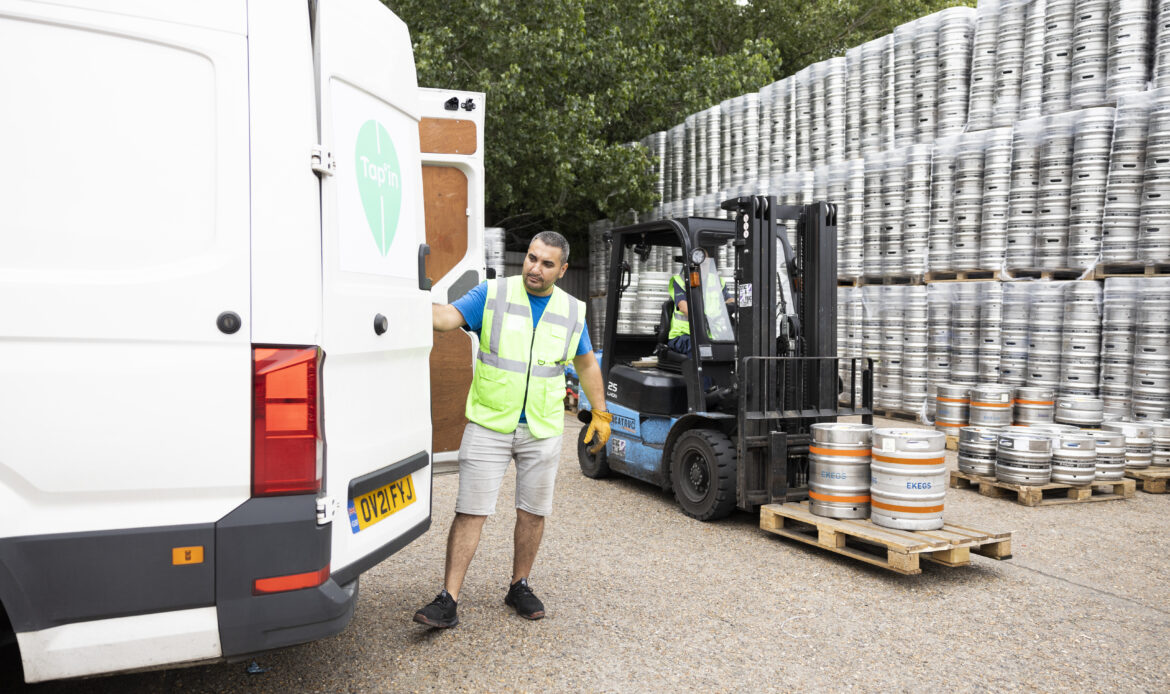
We regularly speak to UK breweries delivering into London on partially filled vehicles. Orders need to go, so vans go. Empties may be collected later, sometimes separately, and kegs can sit in venues longer than planned.
It works.
But it isn’t always efficient.
The bigger question is this:
Is there a better, more cost-effective way?
When drinks delivery, empty collection and keg washing operate as one integrated model, the commercial and environmental advantages become clear.
You can read more about our new keg washing launch in the Brewers Journal: https://www.brewersjournal.info/new-keg-washing-service-launched/
The Hidden Cost of Fragmented Brewery Logistics
When logistics is split across different processes, inefficiencies compound:
Part-loaded vehicles travelling long distances
Separate trips for empty collection
Kegs waiting to be washed
Slower keg turnaround time
Capital tied up in fleet expansion
Individually, these issues feel manageable.
Collectively, they slow growth.
Integrated brewery logistics brings delivery, collection and professional keg washing into one streamlined system, reducing friction at every stage.
Full Loads. Fewer Miles. Lower Emissions.
Sustainability is no longer a side conversation in brewing. It’s a commercial expectation.
According to the British Beer & Pub Association (BBPA) and SIBA (Society of Independent Brewers & Associates), environmental performance is becoming increasingly important across the supply chain.
One overlooked contributor? Transport efficiency.
When multiple breweries run separate, partly filled vehicles into London, the environmental impact per delivered litre increases.
An integrated drinks-only logistics network allows:
Consolidated, fuller loads
Reduced unnecessary vehicle miles
Lower emissions per keg delivered
More efficient final-mile routing
In short, fewer trips moving more product.
For breweries working toward Scope 3 emissions reductions or broader sustainability reporting, logistics efficiency is a meaningful lever, not just a marketing message.
Read More: How to Protect Your Drinks Brand’s Margins & Scale Smarter (FREE GUIDE)
Delivery and Empty Collection in One Movement
Every time a delivery is made without collecting empties, circulation slows.
And slow circulation costs money.
In an integrated model: Delivery → Empty Collection → Keg Washing → Redeployment
Happens as one continuous system.
This reduces:
Lost or “forgotten” kegs in venue cellars
Asset shrinkage
Emergency keg purchases
Working capital tied up in additional fleet costs
A stainless-steel keg is a revenue-generating asset. When it’s in trade, it’s earning. When it’s missing or waiting to be cleaned, it isn’t.
Faster collection and washing increases keg velocity — often delaying or eliminating the need to invest in more fleet.
Read More: The £30 Keg Problem: Why Turnaround Speed Matters More Than You Think
Keg Turnaround Time: A Cash Flow Multiplier
Scalability in logistics transforms breweries from good to great. The right partner helps you scale without the hassle of managing every detail yourself.
Keg turnaround time is one of the most under-discussed drivers of brewery profitability.
Each day a keg sits:
Waiting to be collected
Waiting to be cleaned
Waiting to be redeployed
Is a day it isn’t generating revenue.
By integrating professional keg washing within drinks distribution:
Returns are processed quickly
Washing capacity is scalable
Kegs re-enter production faster
Stock gaps reduce
Often, the issue isn’t keg volume.
It’s circulation speed.
Next-Day Drinks Delivery Strengthens Trade Relationships
In competitive markets like London, reliability wins tap space.
An integrated logistics model allows breweries to offer structured next-day drinks delivery (for orders received by 2 pm), giving venues confidence in stock availability.
When delivery, collection and washing are aligned:
Routes are predictable
Capacity is managed centrally
Service consistency improves
Venues value certainty. And certainty strengthens brand trust.
Is Next Day Drinks Delivery Worth The Investment?
Removing the Operational Headache
Running in-house logistics involves:
Fleet management
Driver scheduling
Route optimisation
Empty tracking
Washing capacity planning
Contingency planning if machinery fails
For growing breweries, this can distract from core priorities: brewing, sales, brand development.
An integrated drinks logistics and keg washing model handles:
Delivery
Collection
Professional washing
Asset circulation
Overflow capacity
Allowing brewers to focus on brewing and fulfilling orders — while the circulation system runs efficiently in the background.
Cost-Effective Keg Washing Solutions
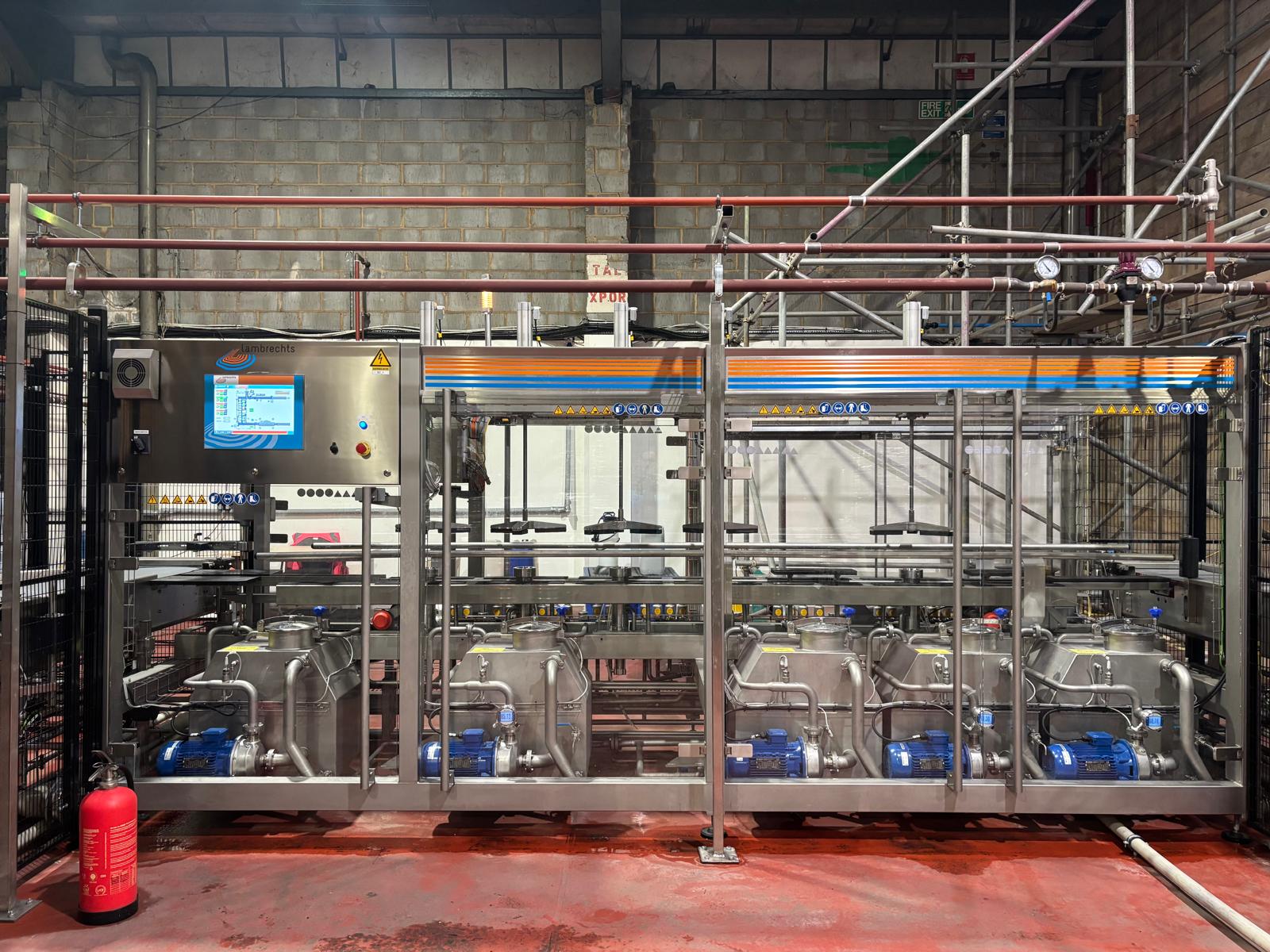
Affordable keg washing solutions make a significant difference in your bottom line. It’s about smart spending and smarter strategies.
A Closed-Loop System for Sustainable Growth
For regional breweries supplying London, the benefits can be even greater.
Rather than sending long-distance, partly filled vehicles into the capital, the product can move through a structured network designed specifically for drinks distribution and keg washing.
The result:
Improved load efficiency
Reduced carbon intensity per litre delivered
Faster asset circulation
Lower operational stress
Stronger cash flow
Integrated keg washing isn’t about outsourcing control.
It’s about designing a smarter, lower-friction system.
One that:
Reduces environmental impact
Protects valuable assets
Speeds up revenue cycles
Strengthens venue relationships
Supports scalable growth
Because in modern brewery operations, logistics isn’t a back-office function.
It’s a growth engine.
Frequently Asked Questions About Integrated Keg Washing
How much does keg washing cost in the UK?
Keg washing costs vary depending on volume, transport integration and service level. In-house washing includes not just labour and chemicals, but machinery maintenance, floor space, utilities and downtime risk.
Outsourced or integrated keg washing models typically align costs with volume — meaning breweries only pay for what they process. When combined with drinks delivery, overall logistics efficiency can offset washing costs by improving keg turnaround time and reducing fleet expansion.
The real question isn’t just price per wash — it’s total cost of ownership.
Is outsourced keg washing sustainable?
Yes — particularly when integrated into consolidated drinks distribution.
When delivery, empty collection and washing are part of one closed-loop system:
Vehicles run fuller loads
Fewer unnecessary trips are made
Emissions per delivered litre reduce
Kegs re-enter circulation faster
For breweries measuring Scope 3 emissions or aiming to reduce transport impact, integrated logistics can significantly improve environmental performance compared to fragmented, partly loaded delivery models.
What is keg turnaround time and why does it matter?
Keg turnaround time refers to the period between a keg leaving the brewery filled and returning, cleaned and ready to refill.
Slow turnaround:
Restricts sales capacity
Increases working capital tied up in fleet
Forces emergency keg purchases
Creates operational bottlenecks
Improving turnaround time increases keg velocity — meaning breweries can generate more revenue from the same fleet.
Do I need more kegs — or better circulation?
Many breweries assume growth requires expanding their keg fleet.
Often, the issue is circulation speed rather than volume.
If kegs are:
Sitting in venues
Waiting for collection
Queuing for washing
Then improving collection and cleaning integration may unlock capacity without investing in additional assets.
How does integrated keg washing support next-day drinks delivery?
Next-day delivery (for orders placed by 2pm) relies on predictable stock availability and fast asset circulation.
When washing is integrated with drinks distribution:
Returns are processed quickly
Fleet availability increases
Delivery reliability improves
Venues gain confidence in supply
Reliable circulation underpins reliable service.
Is integrated keg washing only relevant for London breweries?
No.
It can be particularly valuable for regional breweries supplying London and the South East.
Instead of running long-distance, partly filled vehicles into the capital, breweries can utilise an optimised drinks-only distribution network that consolidates loads, collects empties and processes washing efficiently.
This improves both commercial and environmental performance.
What happens if our in-house keg washer breaks down?
Machine downtime during peak trading can disrupt production schedules and delay dispatch.
Having external washing capacity available, even as a contingency, reduces operational risk and prevents disruption from becoming a commercial issue.
For many breweries, resilience isn’t about replacing in-house operations.
It’s about having support when needed.