

In brewery operations, stainless steel kegs aren’t just containers. They’re capital.
Each one represents hundreds of pounds of asset value, directly tied to your ability to sell beer. When keg turnaround slows, revenue slows. When kegs go missing, margins shrink. And when washing capacity stalls, growth stalls with it.
That’s why keg washing in the South East isn’t just an operational service, it’s a resilience strategy.
The Hidden Cost of Slow Keg Turnaround
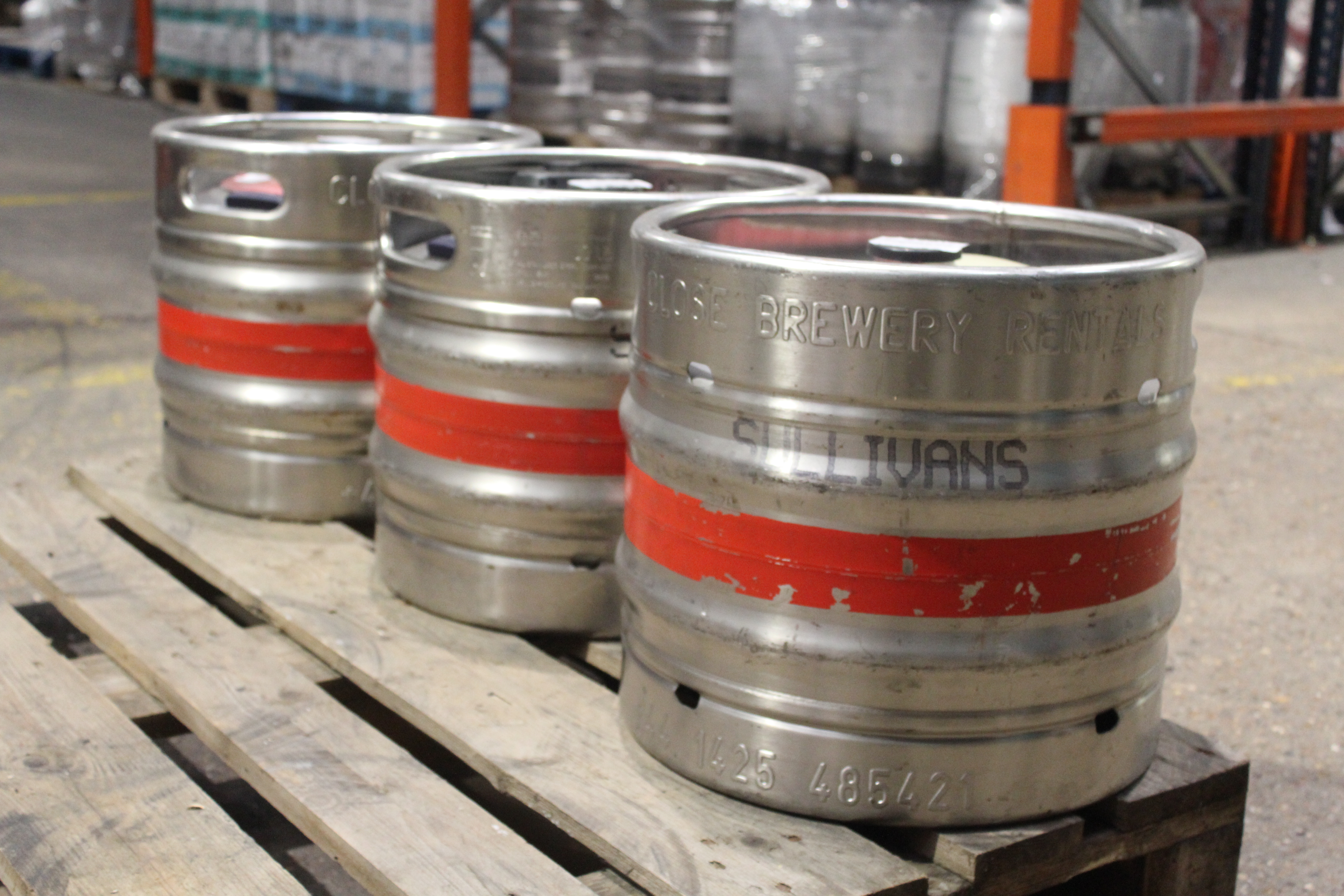
Every keg sitting uncollected or unwashed creates friction in your business:
Cash tied up in idle assets
Leasing fees accumulating
Replacement costs increasing
Admin time chasing stock
Risk of permanent loss
For breweries operating in London and the South East, where distribution cycles are tight and venues expect reliability, turnaround speed is critical.
If your kegs aren’t collected promptly and cleaned quickly, they drift into the wider trade network. And that’s where problems begin.
Slow circulation means you need:
More kegs
More capital
More admin
More storage
Fast circulation means your fleet works harder for you.
Recovery vs Prevention: A Critical Distinction
There are businesses in the market focused on asset recovery, such as https://www.kegwatch.co.uk/. They help identify and return unaccounted-for kegs within the trade. That service has value. But it’s reactive.
By the time a keg requires recovery, something in the system has already failed. Whether it’s slow collection, poor visibility, or fragmented logistics, the cost only shows up once the problem exists.
Recovery models in the market are understood to charge up to £30 per keg to return it to its owner. While pricing structures vary, the commercial principle is straightforward:
Recovery is always more expensive than prevention.
When integrated as part of Tap’In’s service, kegs can be professionally washed for as little as £1.75 per keg. The financial contrast is clear.
The most resilient breweries don’t build processes to chase missing assets.
They design systems that keep them moving.
Impact on Brewery Operations
Kegs are the lifeline of brewery operations. When they’re in circulation, they bring in revenue. But when they stagnate or go missing, they become liabilities. Slow returns can create bottlenecks, leading to production delays. This can affect your ability to meet demand and hurt customer relationships. A streamlined keg management system ensures that kegs are always available when needed. By focusing on this area, you reduce downtime and maintain a steady production flow, which is crucial for meeting customer expectations and keeping the business thriving.
Why Integrated Keg Washing in the South East Changes the Game
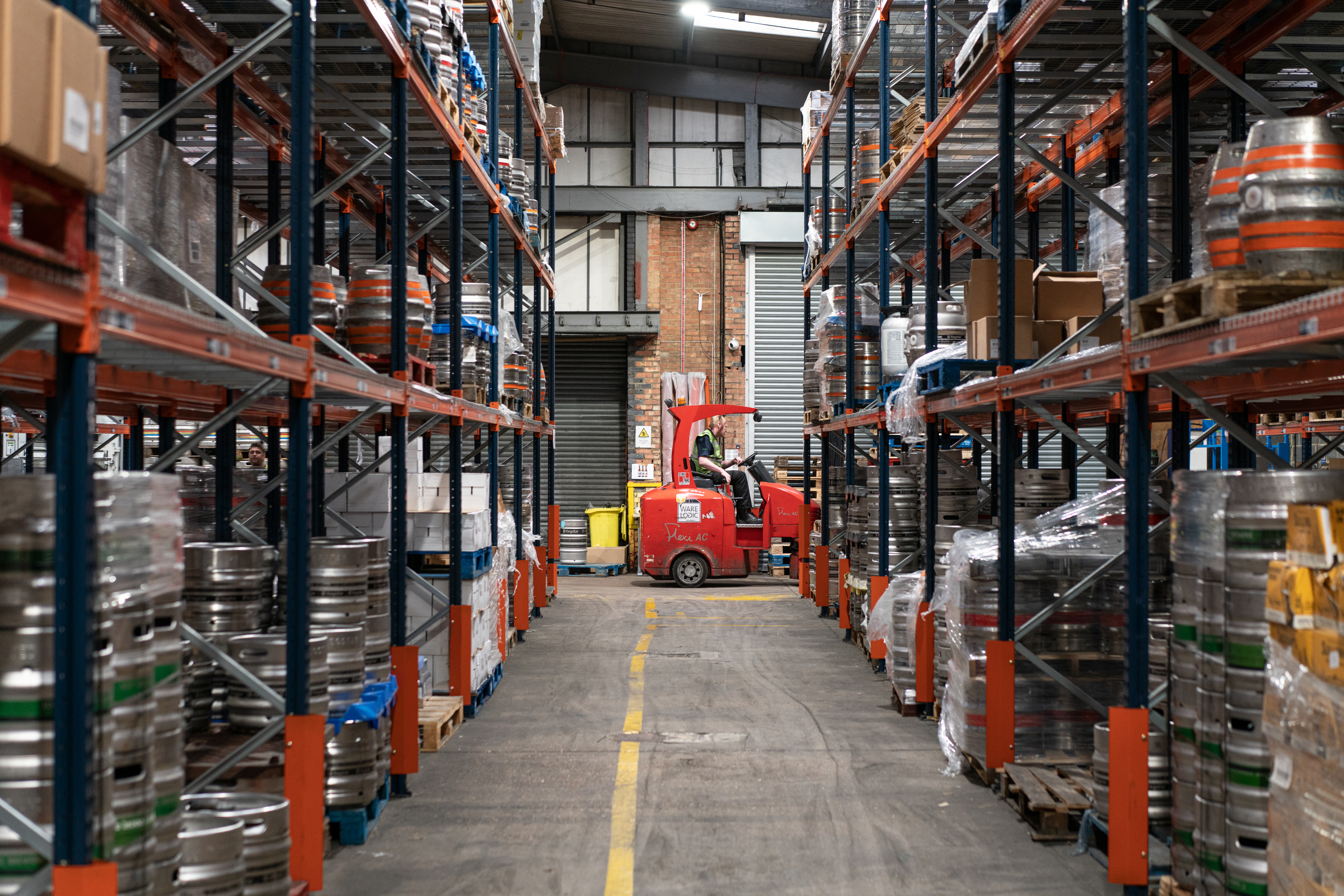
With integrated brewery logistics UK, washing, collection and redeployment operate as one coordinated system.
That delivers:
Faster keg turnaround
Lower fleet size requirements
Reduced loss risk
Fewer recovery charges
Better leasing efficiency
Improved cash flow
When your logistics partner collects empties, washes them, and returns them to circulation within a tight cycle, your fleet works more efficiently.
And when your fleet works harder, you don’t need to buy more kegs.
The Real Financial Risk: Lost Kegs
Stainless steel kegs are expensive to replace. Whether owned outright or leased, every lost keg erodes margin.
Slow turnaround increases the chance of:
Kegs sitting in third-party yards
Stock being misallocated
Delays in return
Permanent disappearance
For leasing providers, velocity is everything. The faster kegs move, the healthier the ecosystem. Integrated keg washing in London supports that entire chain.
In short:
Fast turnaround protects capital.
What Happens If Your Washer Breaks?
Many growing breweries in the South East operate:
Older in-house washers
Limited capacity systems
Tight production footprints
Minimal overflow planning
If your washer goes offline for 48 hours during peak season, the knock-on impact can be severe:
Production delays
Stock shortages
Missed deliveries
Emergency outsourcing
Additional transport costs
An integrated drinks distribution South East partner provides:
Overflow capacity
Emergency contingency
No fixed cost when unused
Scalable support during growth
That flexibility removes operational risk.
Hybrid Brewery Logistics UK: Smarter Scaling

Tap’In’s hybrid model allows breweries to:
Retain core internal routes
Outsource the London and South East distribution
Integrate keg washing into our 3PL/porterage drinks delivery cycles
Scale during peak demand
Reduce fixed fleet and running costs
Instead of running underutilised vans midweek or investing in additional washing infrastructure, you flex capacity when needed.
It’s scalable logistics — without capital exposure.
Prevention vs Recovery: Which Model Protects Margin?
Feature | Integrated Keg Washing | Reactive Recovery Model |
|---|---|---|
Focus | Prevention & circulation | Recovery after loss |
Typical Cost Per Keg | From ~£2 washing | Recovery charges can reach ~£30 |
Turnaround Speed | Integrated with logistics | Depends on trace process |
Fleet Efficiency | High velocity | Loss already occurred |
Impact on Leasing | Reduces idle time | Charges may increase |
Operational Risk | Lower | Reactive |
Growth Support | Scalable | Problem-solving |
The Financial Reality
Let’s use a conservative example.
Assume:
1,000 kegs per month
5% enter recovery scenario (50 kegs)
Recovery cost = £30 per keg
Scenario A – Reactive Recovery
50 × £30 = £1,500 per month
Over 12 months:
£18,000
If 100 kegs per month require recovery:
100 × £30 = £3,000 per month
Over 12 months:
£36,000
That’s the cost of reactive systems.
Now compare that to designing a system that keeps kegs circulating in the first place.
The Commercial Advantage
Integrated keg washing South East isn’t about cleaning metal.
It’s about:
Protecting assets
Increasing velocity
Reducing recovery costs
Lowering capital requirements
Improving delivery reliability
Strengthening venue relationships
Recovery services solve problems after they occur.
Integrated logistics prevents them.
And prevention is cheaper.
Final Question for Brewery Leaders
How many kegs are idle right now?
What would a 48-hour washer outage cost you?
How much capital is tied up in slow circulation?
Are you preventing loss, or paying to recover it?
If you’d like to model your own numbers, Tap’In offers a free Keg Turnaround Review for breweries serving London and the South East.
If you serve London or the South East and want to understand what integrated keg washing could cost based on your actual volumes, fill in this short form and we’ll come back to you quickly with a bespoke washing price tailored to your requirements:
https://2diafo.share-eu1.hsforms.com/25AFBEtUyQryoDe_a-G1Aog
Prevention is cheaper than recovery.